What Is Specialty Coffee? A Beginner's Guide
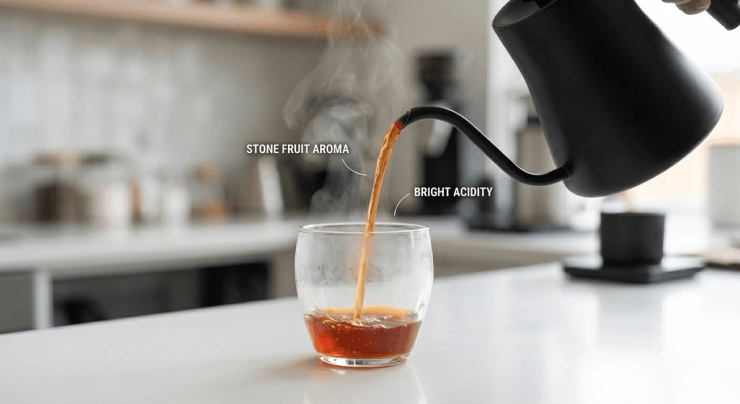
If you've ever stared at a coffee bag covered in words like "washed process," "single origin," and "stone fruit finish" and felt completely lost, you're not alone. Specialty coffee has its own language, and it can feel intimidating from the outside.
But here's the thing: once you understand what the term actually means, it changes how you drink coffee. This guide breaks it all down — plain English, no gatekeeping , so you can walk into any specialty coffee shop, or buy your first bag online, with actual confidence.
The Short Answer: What “Specialty” Actually Means
Specialty coffee is a formal classification, not a marketing term. It refers to coffee that has been scored 80 points or above on a 100-point scale by a Q Grader — a certified professional who evaluates coffee the same way a sommelier evaluates wine.
The scoring system is maintained by the Specialty Coffee Association (SCA). A Q Grader cups the coffee blind, evaluating attributes like aroma, flavor, aftertaste, acidity, body, balance, and uniformity. A score of 80 or above earns the "specialty" designation. Anything below 80 is commercial-grade coffee — the kind that fills most supermarket shelves.
In practice, the best specialty coffees score between 85 and 90+. A 90-point coffee is exceptional , comparable to a Grand Cru wine. Most of what you’ll find at a great local roaster sits in the 83–87 range, which is still miles above commodity coffee.
Specialty Coffee vs. Regular Coffee: The Real Difference
The difference between specialty and commodity coffee isn't just about quality: it's about the entire production chain.
Specialty Coffee vs. Commodity Coffee: At a Glance
| Feature | Commodity (Supermarket) | Specialty (Local Roaster) |
|---|---|---|
| SCA Score | Below 80 points | 80 to 100 points |
| Primary Flavor | "Generic Coffee"/ Nutty / Bitter | Bluberry, Floral, Chocolate etc. |
| Traceability | Blended Countries | Specific Farm or Coorperative |
| Roast Level | Usually Dark | Light to Medium (To show Origin) |
| Farmer Pay | Tied to the "C-Market" Price | Premium "Direct Trade" Price |
| Freshness | Months/Years (Best Before dates) | Days/Weeks (Roast Dates) |
← Scroll to see all columns →
The practical difference in the cup? Commodity coffee tastes like "coffee." Specialty coffee tastes like something else: blueberry, dark chocolate, jasmine, brown sugar. The flavors are a direct result of where and how the coffee was grown. Try it and you know what i mean.
Starbucks vs. Specialty Coffee: Why the Roast Matters
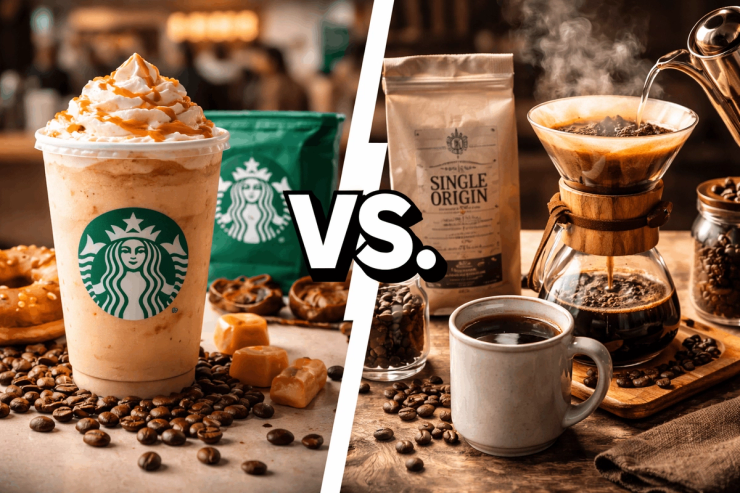
Honestly, it sometimes matters but mostly no. Starbucks sources some high-quality beans through its Reserve program, which does include specialty-grade coffee. However, the vast majority of Starbucks' volume is commercial-grade coffee, dark-roasted to the point where origin flavors are largely eliminated.
Dark roasting is often used to mask defects and create consistency across millions of cups. That's a commodity strategy, not a specialty one. The Reserve Roasteries are a genuine exception but they're a small fraction of what the brand actually sells.
How Specialty Coffee Is Graded and Scored
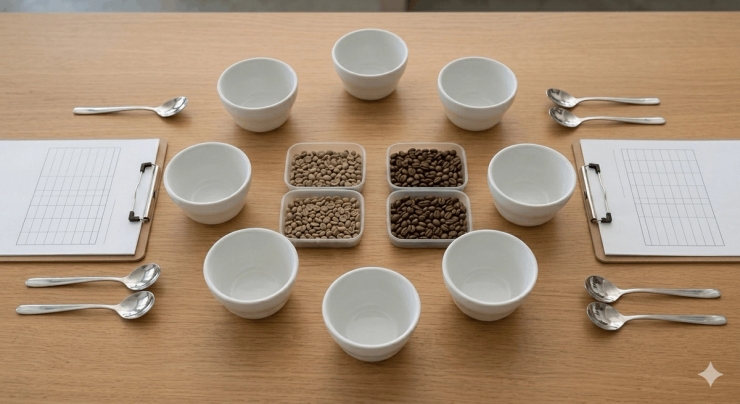
The SCA's scoring process ( called cupping) follows a strict protocol. Coffees are prepared identically: a set ratio of ground coffee to water, steeped for four minutes, then evaluated at specific temperatures.
Q Graders assess ten attributes, each worth up to 10 points:
- •Fragrance/Aroma
- •Flavor
- •Aftertaste
- •Acidity
- •Body
- •Balance
- •Uniformity
- •Clean Cup
- •Sweetness
- •Overall
Points are also deducted for defects — physical faults in the green bean like blacks, sours, and husks. A coffee with too many defects cannot qualify as specialty, regardless of its cupping score.
The Specialty Coffee Supply Chain: Farm to Cup
One of the clearest markers of specialty coffee is traceability. When you see a bag that lists a farm name, a region, a processing method, and a harvest date — that's the supply chain being made visible.
Here's how it typically works:
- •Farm/Producer: The coffee is grown at a specific altitude, in a specific climate. Varietals like Gesha, Bourbon, and Typica are prized for their flavor potential.
- •Processing: After harvest, the coffee cherry is processed — washed, naturally dried, or honey-processed — each method altering the flavor profile significantly.
- •Export & Import: A green coffee importer (like Osito or Genuine Origin) evaluates and purchases the coffee, often directly from the producer.
- •Roaster: The roaster receives the green coffee and develops a roast profile to highlight its best qualities.
- •You: You buy the bag, and if you're brewing it right, you taste the outcome of every decision made at each step.
Compare this to a can of supermarket coffee, where the origin is unknown, the blend changes seasonally, and the roast date is anyone's guess.
My honest advice for anyone starting out: don’t buy any equipment yet. Start with a drip bag coffee: Zero kit, zero fuss — just hook it over a mug, pour hot water, and you’re tasting proper specialty coffee in three minutes.
If you taste it and something clicks, that’s your signal to move to a V60. It’s cheap, it’s the industry standard, and once you get a feel for it, the cup quality is genuinely hard to beat. After that, the best thing you can do is visit different specialty cafés and order an Aeropress or a French press. Experience them in the hands of someone who really knows what they’re doing before you spend money buying the gear yourself. If you fall for it, then buy the equipment. That’s the path that makes financial and flavour sense.
What to Look for on a Specialty Coffee Bag
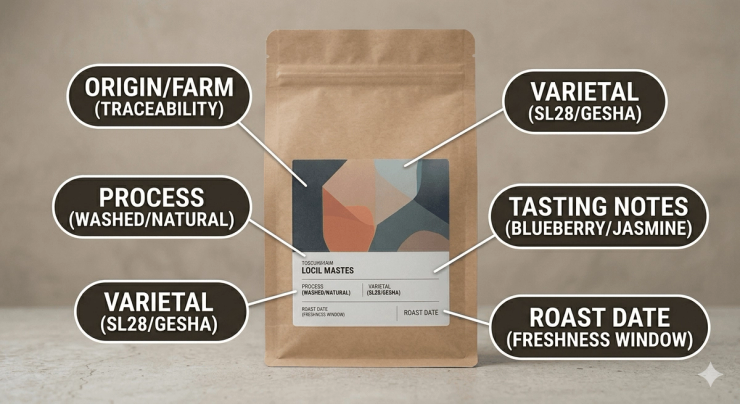
Specialty coffee bags are packed with information — and most of it actually matters. Here's what to look for:
- •Origin/Farm: Country, region, and ideally the specific farm or cooperative. More specificity = higher traceability.
- •Process: Washed = clean, bright, acidic. Natural = fruity, sweet, fuller body. Honey = a hybrid — some fruit sweetness, more body than washed.
- •Varietal: The cultivar of the coffee plant (e.g., Gesha, SL28, Caturra). Like grape varieties in wine — they influence flavor significantly.
- •Tasting Notes: These aren't marketing fiction — they're the Q Grader's cupping notes. They tell you what to expect, not what flavor has been added.
- •Roast Date: This is the most important date on the bag. Coffee is best between 7 and 30 days post-roast. Never buy a bag without a roast date.
- •Altitude: Higher altitude = slower cherry development = more complex sugars = better flavor potential.
Beginner Coffee Gear: What You Actually Need (And What You Don't Yet)
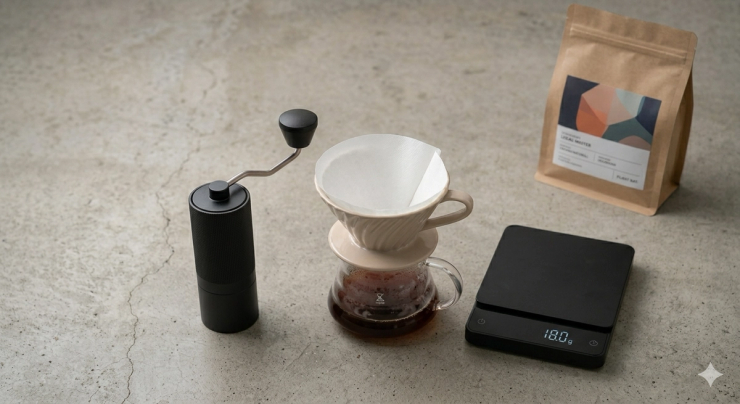
You don't need to spend $500 to brew good specialty coffee at home. Honestly, you don't need much at all — but what you do buy matters.
The Essentials
- •A hand grinder: Freshly ground coffee makes the single biggest difference in your cup. The Timemore C2 (~$50) is the benchmark entry-level grinder — consistent grind, durable, and genuinely good value. [AFFILIATE LINK]
- •A brewer: The Hario V60 (~$15–$25) is cheap, lightweight, and produces a cup that shows off origin flavors better than almost anything else. Alternatively, the Aeropress (~$35) is harder to mess up and great for small spaces. [AFFILIATE LINK]
- •A scale: Coffee is a ratio game. A basic kitchen scale accurate to 0.1g — the Timemore Black Mirror Nano or any cheap digital scale — will immediately improve your consistency. [AFFILIATE LINK]
What You Don't Need Yet
- •A $300+ espresso machine — espresso is the hardest brew method to master. Learn filter coffee first.
- •A gooseneck kettle — useful, but not essential on day one. A regular kettle works fine for an Aeropress.
- •Multiple brewers — pick one and get good at it before expanding.
Spend your money on better coffee before better equipment. A $18 bag of single-origin Ethiopian from a good roaster will teach you more than a $200 grinder paired with mediocre beans.
Where to Start: The Easiest Way to Try Specialty Coffee Today
The lowest-friction entry point is this: find a local roaster, buy their lightest roast, and brew it as a pour over or Aeropress. Don't add milk on the first cup. Just drink it black and pay attention to what you taste.
If you're ordering online, look for roasters who list the farm name, processing method, and roast date on every bag. That level of transparency is a reliable quality signal — roasters who are proud of their supply chain usually have the coffee to back it up.
Start with a Colombian or Guatemalan — approachable, forgiving, and easy to brew well. Once you've got a baseline, try an Ethiopian natural and feel what "fruity" actually means in coffee. That's usually the moment it clicks.
My experience of turning to Aeropress: V60 was my usual choice, particularly when i stayed in Hong Kong, where the pour over culture is serious and the cafés are genuinely world-class. I thought I understood filter coffee pretty well.
Then we walked into CoffeeSynthesis in Leeds and ordered an Aeropress. What came out stopped us mid-conversation. Where V60 tends toward brightness and clarity — that clean, linear cup, this Aeropress had texture. A rounder, fuller body than filter but without any of the bitterness or muddiness you’d expect from espresso. That’s the thing about experiencing a brew method done properly in a great café: it removes all the guesswork about whether it’s worth buying the equipment.